REHUB Miami
Design District
Luxury design hub with high-end fashion and contemporary art
Overview
Miami's luxury design destination featuring high-end fashion boutiques, contemporary art galleries, and innovative architecture. The Design District is where luxury meets creativity.
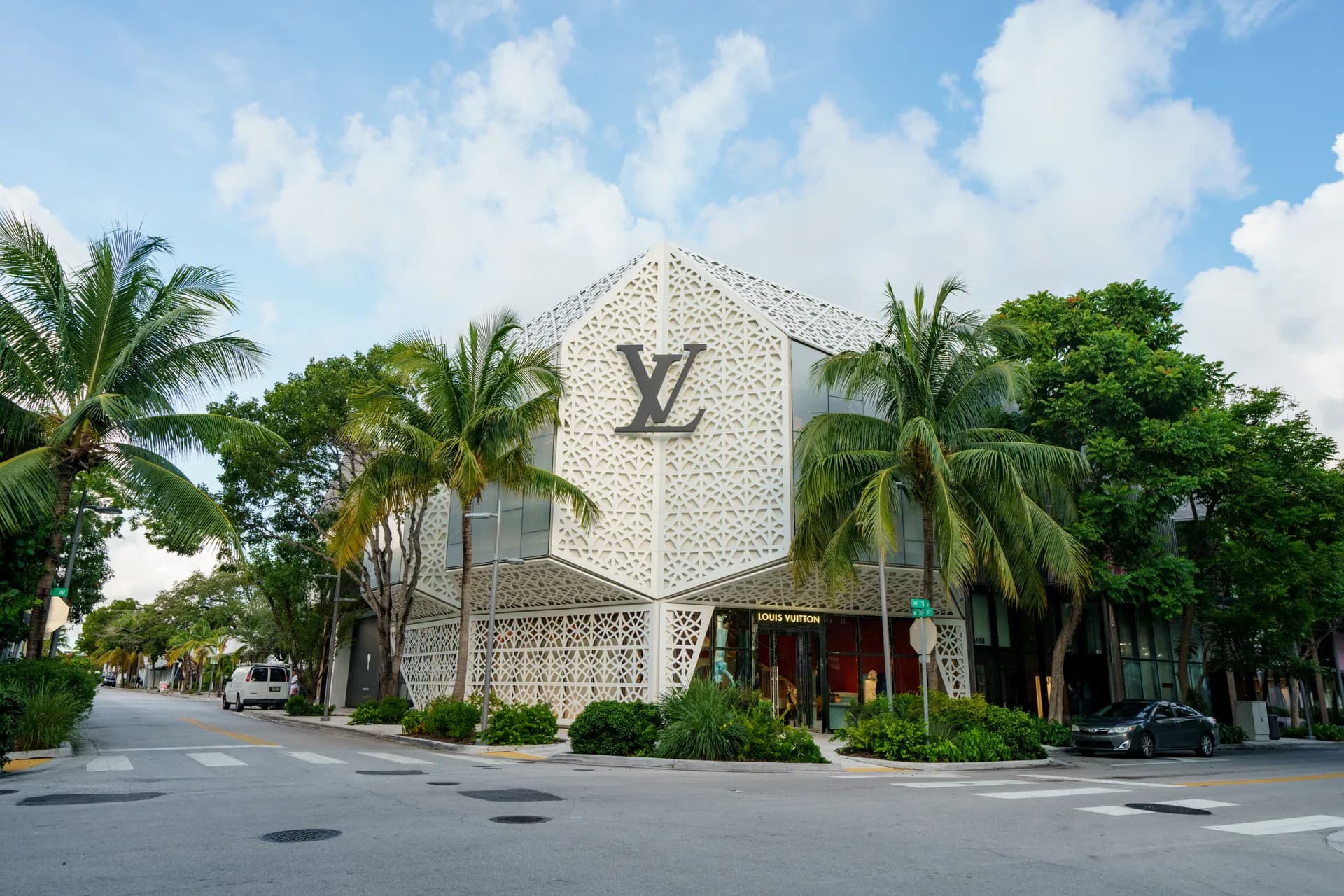
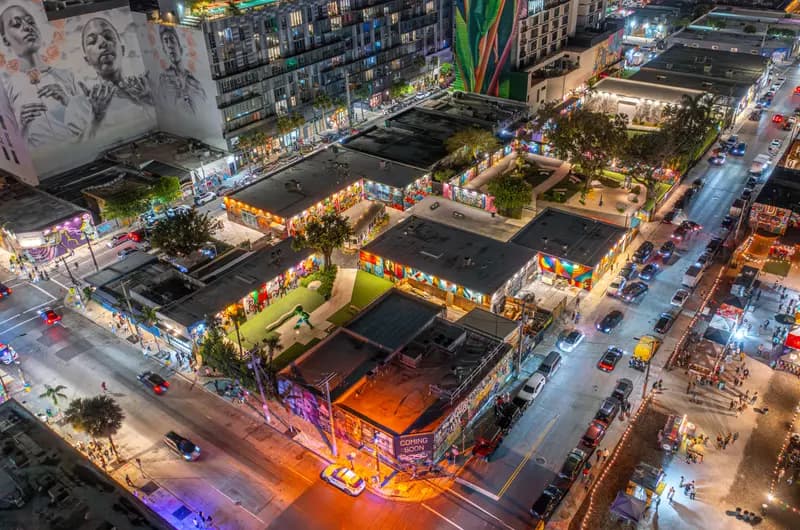
The Miami Design District is a compact neighborhood built around fashion, architecture, contemporary art, design showrooms, and dining. Its streets, courtyards, building facades, and public installations are part of the attraction, so spending time here can be as much about walking through the surroundings as visiting a particular store. For residents, the appeal is having a cultural and shopping destination within the routine of mainland city living.
A home search needs to distinguish the district's retail core from nearby residential streets and properties that use the Design District name in their marketing. The location of the front door matters more than the label. A property beside the pedestrian passages, a residence toward Midtown, and a house in neighboring Buena Vista offer different combinations of activity, space, and access.
Courtyards, Architecture & Public Art
Palm Court and Paradise Plaza are useful landmarks for understanding the center of the district. Paseo Ponti connects them through a pedestrian promenade running between 38th and 42nd streets. Landscaping and art are woven into these spaces, including Buckminster Fuller's Fly's Eye Dome at Palm Court and the Bouroullec brothers' Nuage installation along the paseo.
This is a setting to explore on foot rather than judge only from a drive along its edges. Public art extends beyond museum walls to passages, plazas, and architectural surfaces. Even the parking structures contribute to the visual character, with distinct garages distributed around the district. The result is a recognizable place to walk between galleries, shops, and a meal, though the busiest visitor spaces are different from a private residential street.
Art, Dining & Everyday Life
The Institute of Contemporary Art, Miami is a major cultural anchor on NE 41st Street. Its exhibitions focus on contemporary work, and admission is free, with advance reservations recommended by the museum. Together with the district's galleries and outdoor installations, it makes art part of an ordinary neighborhood outing rather than something reserved for a major fair or special event.
Fashion boutiques and design showrooms are central to the commercial mix, alongside restaurants, cafes, and wellness businesses. For a prospective resident, the useful distinction is between destination amenities and routine necessities. Walk the routes to your preferred grocery store, pharmacy, fitness studio, and other daily services; nearby Midtown supplies a different concentration of everyday retail. Consider how the area feels during regular shop hours, over dinner, and after businesses close.
Understanding the Housing Search
The Design District's commercial identity does not translate into one uniform housing type. Compare the actual residential property and its immediate setting rather than assuming that every listing is a luxury tower or part of the pedestrian retail district. If a search extends into adjacent house neighborhoods, compare the responsibilities and outdoor space of that home with the services and shared facilities of a condominium.
For a condo, evaluate the floor plan, parking, storage, outdoor exposure, and privacy from surrounding uses. For a house, the lot, access, layout, and maintenance requirements become a different set of decisions. In either case, tour the surrounding blocks and confirm the practical relationship between the home and the places that attracted you to the area.
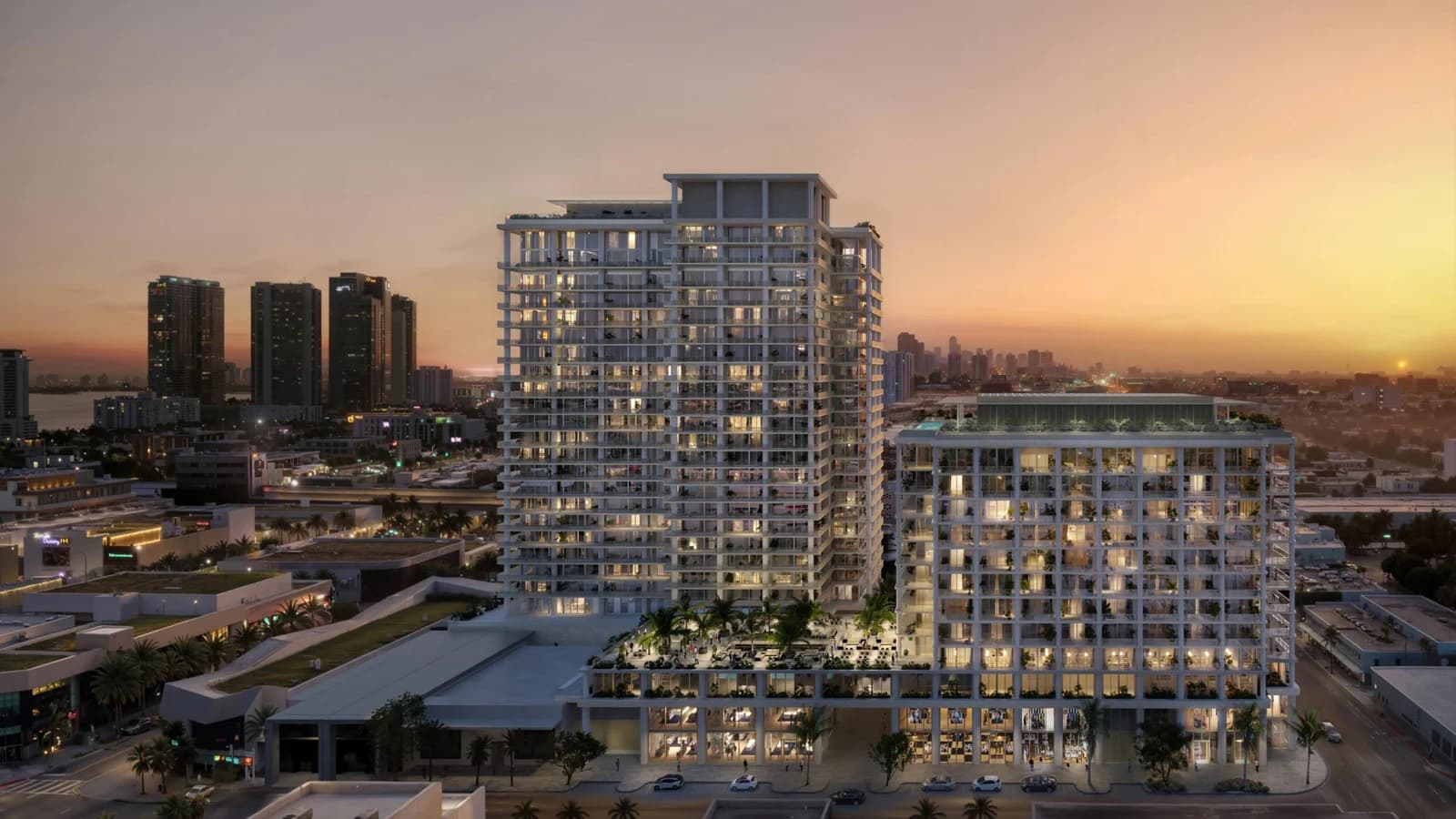
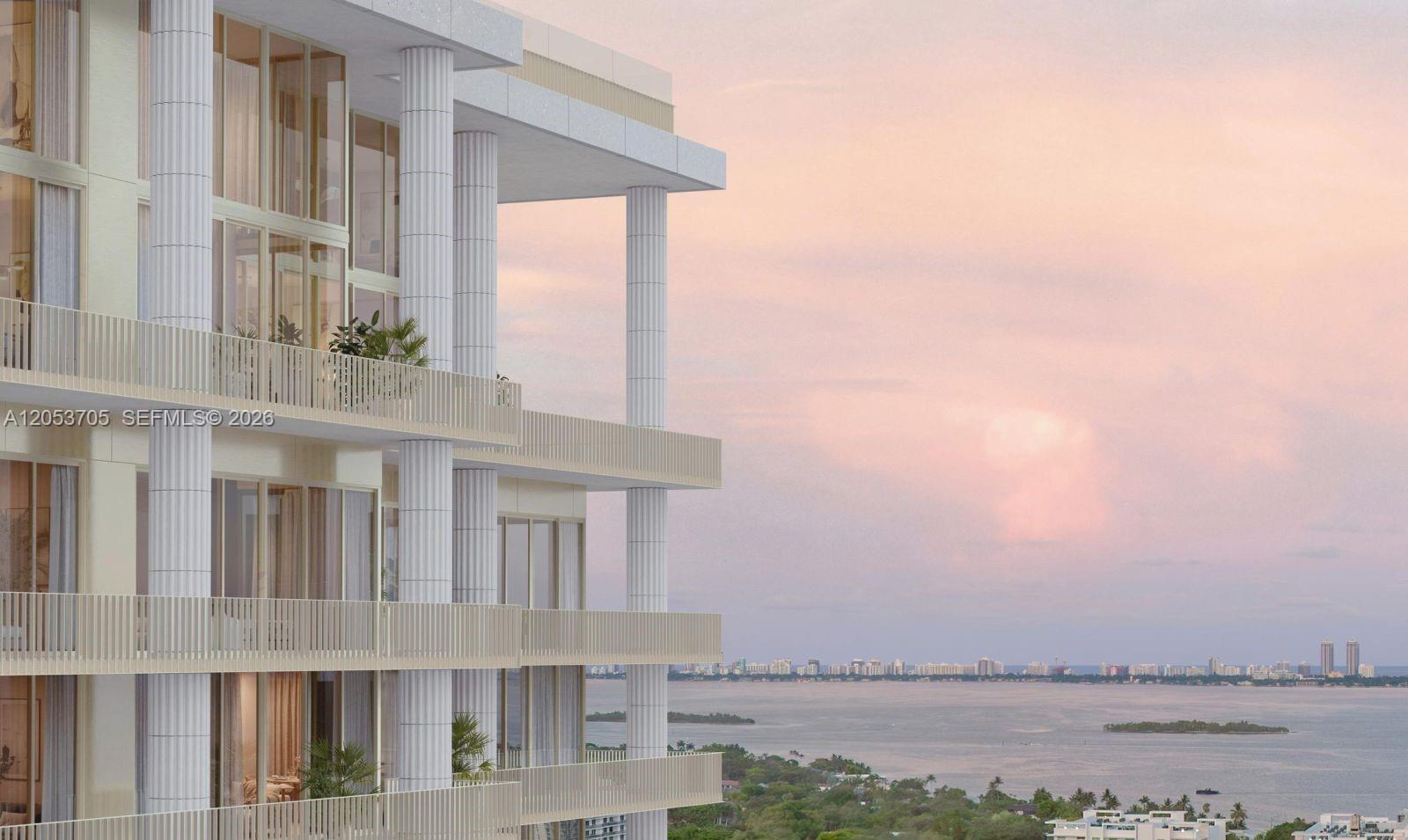
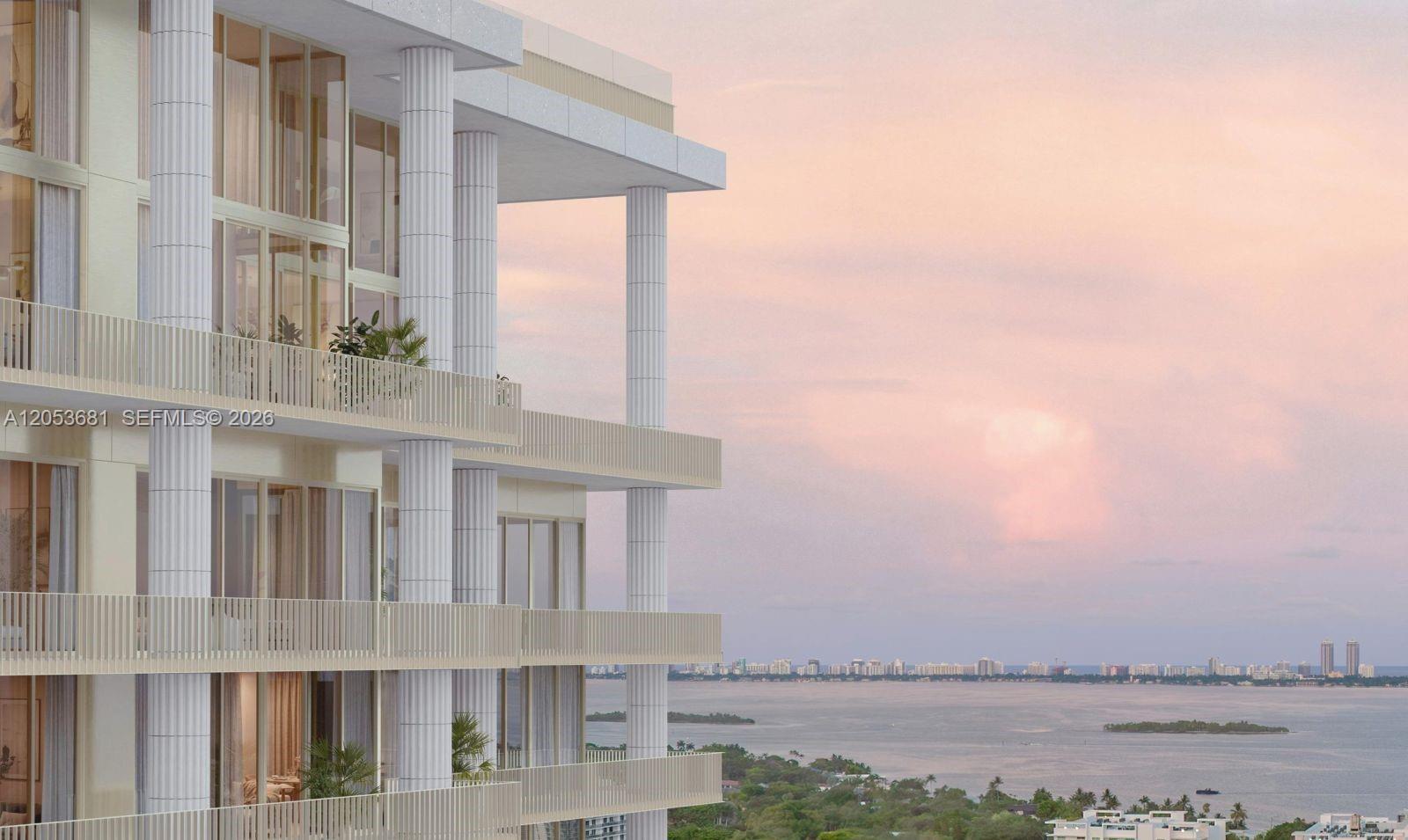
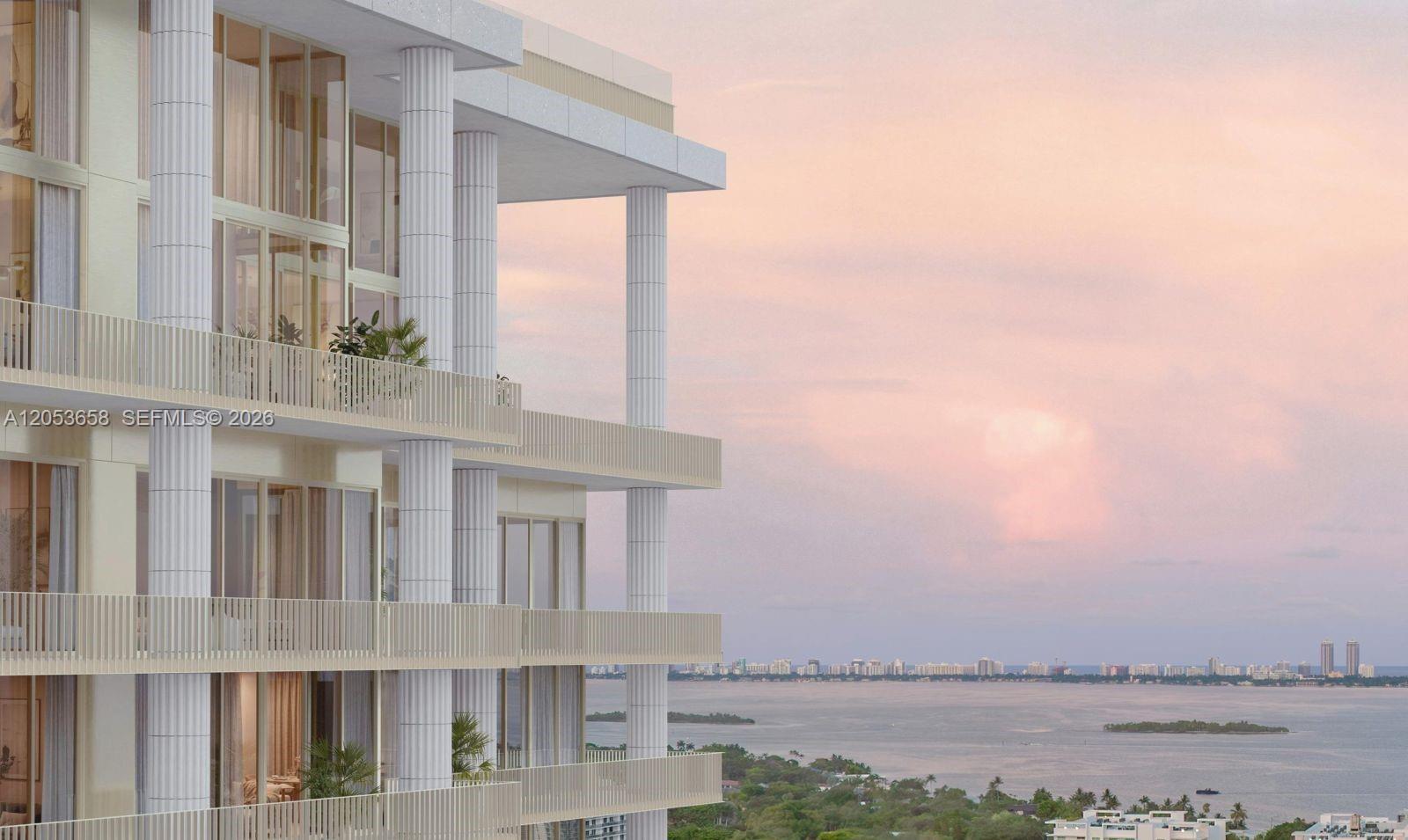
Where new residential construction is part of the shortlist, separate a project's proposal and marketing from what is established in the contract and on the site. Architecture, amenities, services, delivery obligations, and ownership costs are property-specific. The district's cultural reputation provides context, but it cannot answer those building-level questions.
Connections & Who It Fits
The district is on the mainland near Midtown and Wynwood, with Biscayne Boulevard to the east and the interstate network nearby. Bus and city trolley routes offer local connections, but there is no Metromover station within the retail core. Plan a transit journey from the actual address, including any transfer, and test driving routes during the times you expect to use them. A trip to the beach still requires crossing to Miami Beach.
The Design District suits buyers who want art, design, dining, and a distinctive pedestrian destination close to home. Compare Midtown for concentrated everyday shopping, Edgewater for a bayfront condo setting, and neighboring Buena Vista for a more house-oriented search. The right choice depends on whether you want to live directly beside the destination activity or keep it within reach from a more residential block.
- Luxury Shopping
- Art Galleries
- Designer Boutiques
- Contemporary Architecture
- Fine Dining
- Creative Hub
Loading property options…
Loading buildings…
Loading listings…
Loading market data…
Demographics
Population3,500
Average Age33
Median Income$60,000
Households2,800
Life in Design District
Amenities & Nearby
Design District Shops
Luxury fashion and design stores
3 min walk4.5/5
ICA Miami
Contemporary art museum
10 min walk4/5
de la Cruz Collection
Private contemporary art collection
8 min walk4/5
Transportation
Design District Trolley
Free local shuttle
2 min walkEvery 10 min
Metrobus Network
Multiple routes
5 min walkEvery 20 min
Loading sales history…
Loading guides…
Nearby Neighborhoods
Frequently Asked Questions About Design District
Is Design District walkable?
Design District has a Walk Score of 88, rated as "Very Walkable". The Transit Score is 70, indicating excellent public transportation options.
What is Design District known for?
The Miami Design District is a compact neighborhood built around fashion, architecture, contemporary art, design showrooms, and dining. Its streets, courtyards, building facades, and public installations are part of the attraction, so spending time here can be as much about walking through the surroundings as visiting a particular store. For residents, the appeal is having a cultural and shopping destination within the routine of mainland city living.
A home search needs to distinguish the dist...