REHUB Miami
Downtown Miami
Miami's central business district with urban living and cultural attractions
Overview
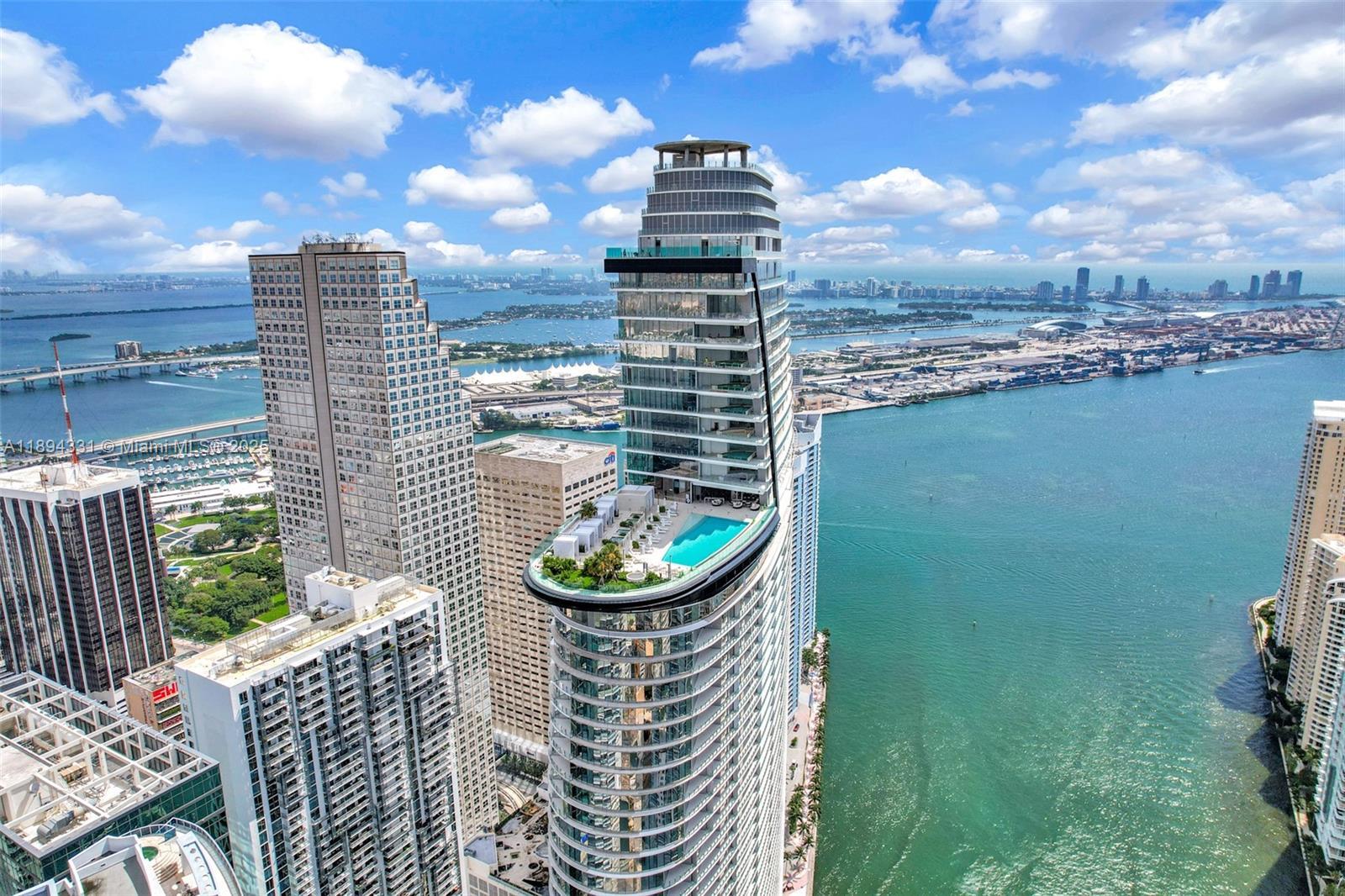
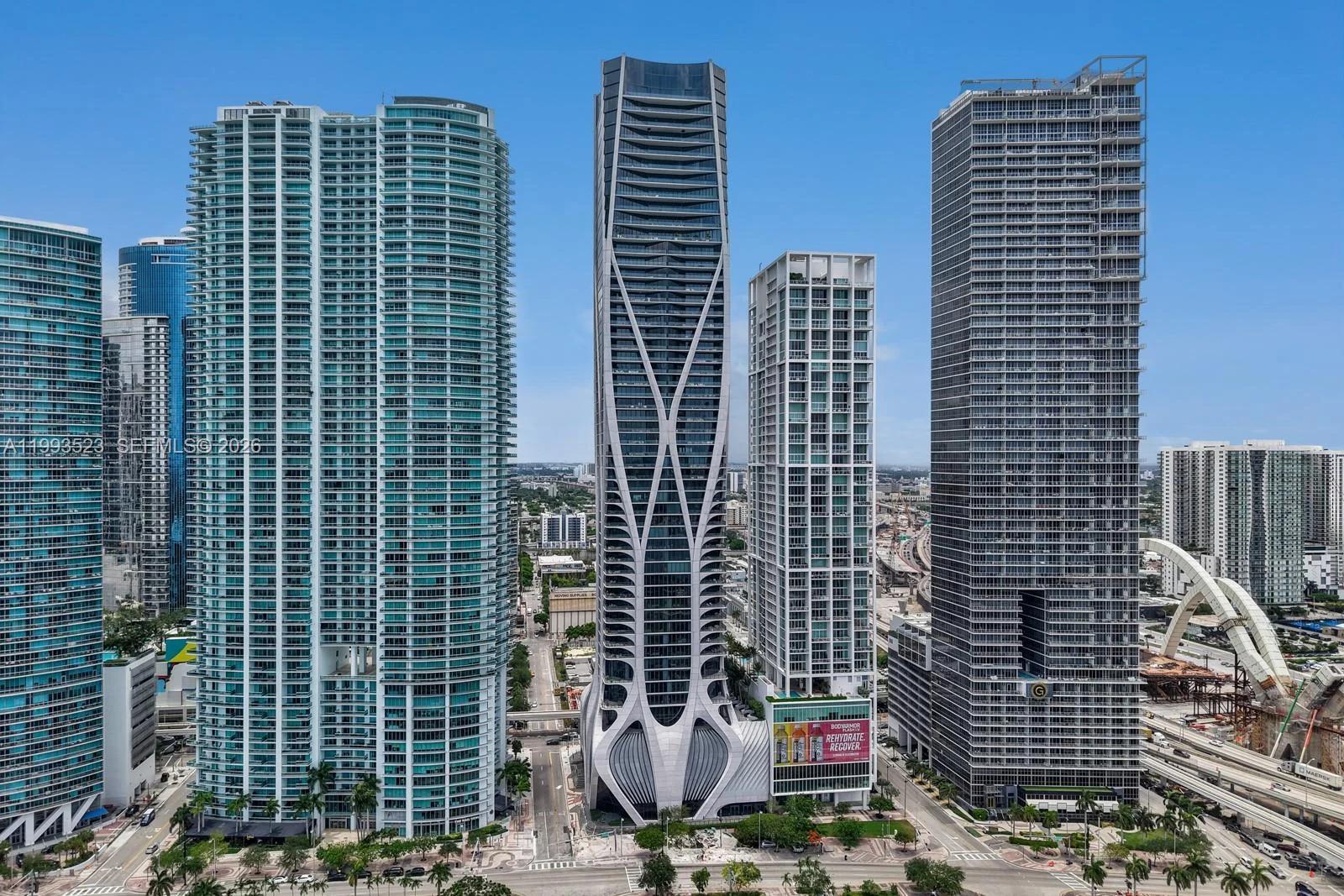
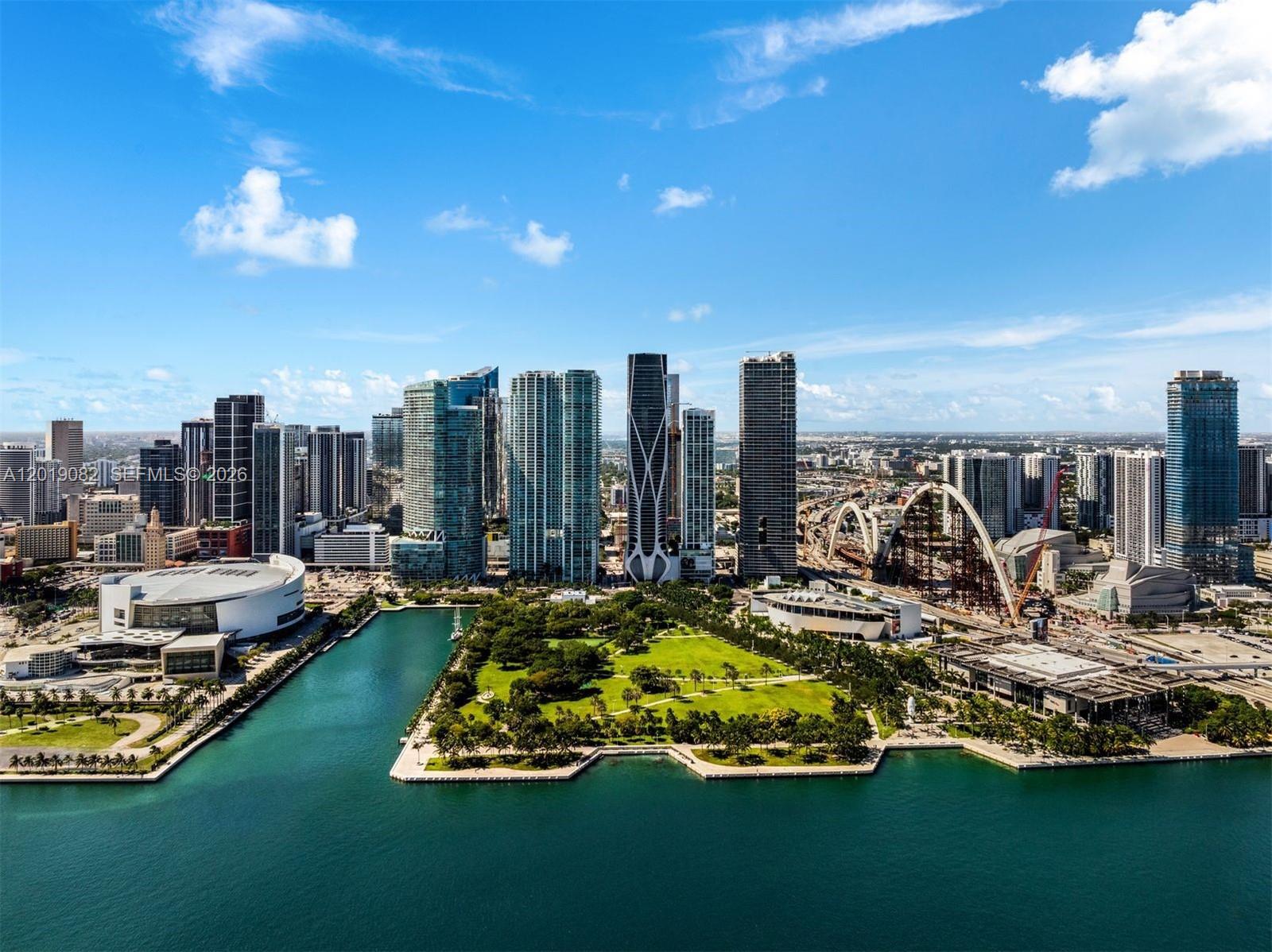
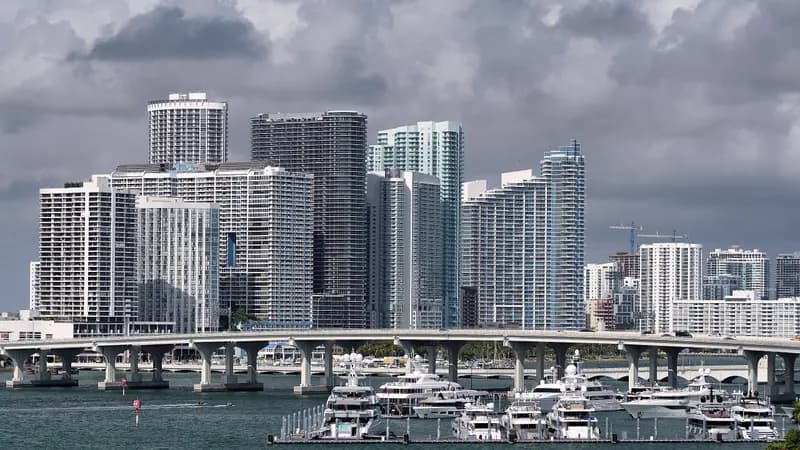
Miami's urban core and central business district, featuring a dynamic mix of high-rise condos, cultural venues, and waterfront parks. Downtown offers easy access to Brickell, the Arts District, and major transit connections.
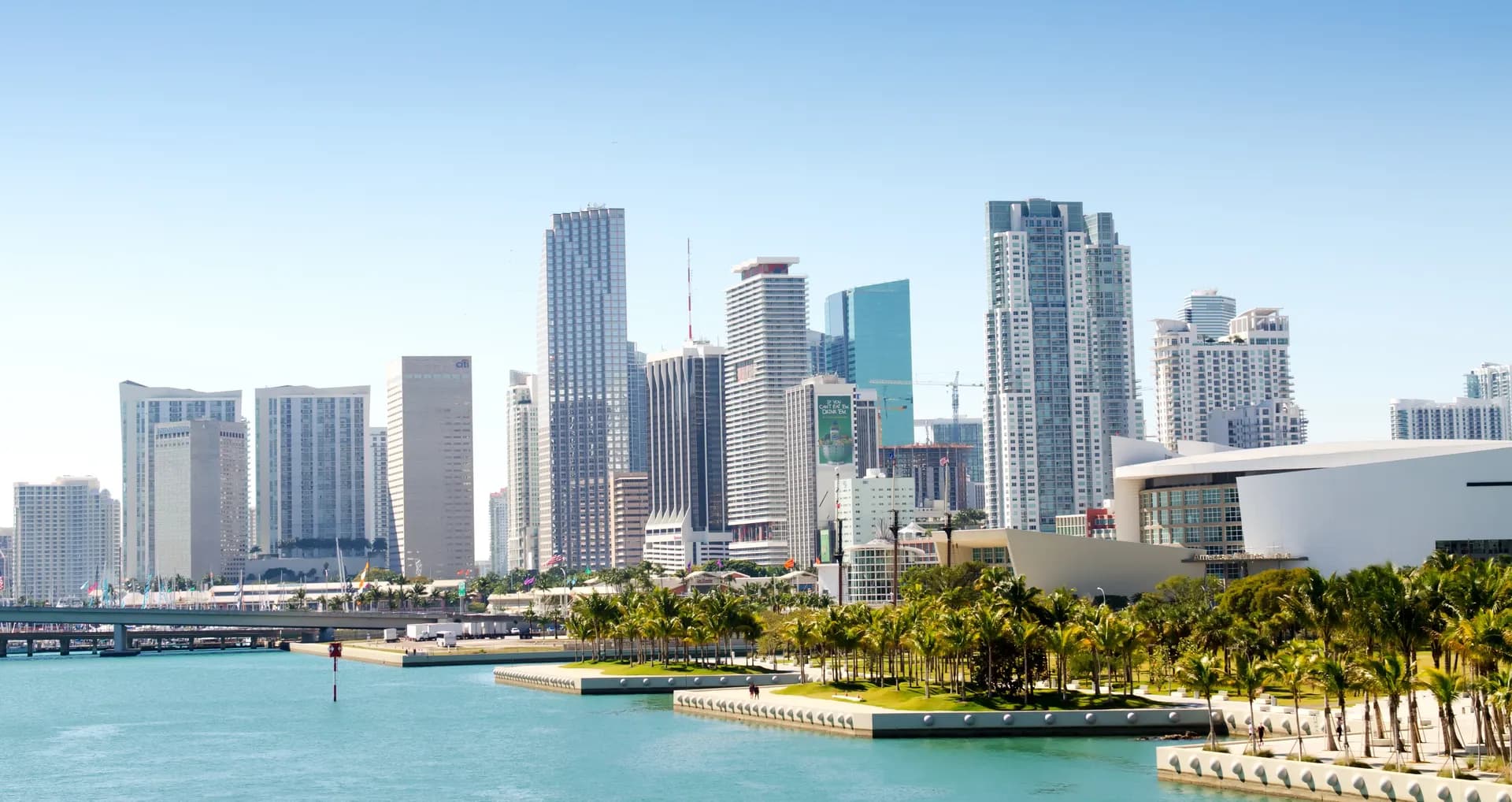
Downtown Miami brings the city's business, civic, transportation, and waterfront functions into one compact urban setting. Office buildings, condominium towers, historic commercial streets, college facilities, and major event destinations sit close together, giving the neighborhood a different rhythm from both a residential suburb and a beachfront district. The draw is having many parts of Miami connected to your doorstep, with the choice to walk or use transit for trips that would require a car elsewhere.
For a home search, distinguish the central business district from the broader term Greater Downtown, which also includes neighboring districts. Brickell is across the Miami River, and the museum and performing-arts destinations extend north toward the Arts & Entertainment District. Those areas are close, but their blocks, buildings, and daily routines are not interchangeable.
Waterfront, Historic Core & Western Connections
Along Biscayne Boulevard, Bayfront Park and the bay establish the neighborhood's eastern setting. The park offers open green space, public art, a playground, and waterfront walking paths; its event calendar also means the surroundings can change considerably between an ordinary weekday and a major gathering. Visit a prospective building on more than one type of day if being near the activity is part of its appeal.
The streets around Flagler Street and the interior commercial core feel more closely tied to Downtown's working-city character. Farther west, Government Center and MiamiCentral make transportation an important part of the location decision. Along the southern edge, the Miami River separates Downtown from Brickell and gives another waterfront reference point. Compare the exact block rather than assuming every Downtown property faces the bay or has the same walking environment.
Homes & Building Differences
An urban condominium or apartment is the natural starting point here. Residential towers offer a range of floor plans and service levels, while buildings within the commercial grid can have very different outlooks from those beside the parks or river. A high floor is not a substitute for checking the actual view, nearby parcels, balcony orientation, and distance to neighboring windows.
Buyers should compare the building's residential operation as carefully as the unit. Lobby circulation, delivery handling, parking access, elevator demand, storage, and the relationship between any commercial space and residential entrances can affect daily life. Ask how an arrival home works during a busy event or evening, especially if the garage entrance is on a different street from the lobby.
Renovations and amenity photographs also need context. Review the association's maintenance and financial records, the condition of shared areas, and the services included in ownership costs. If a property is marketed around rental potential, obtain the specific building documents and applicable requirements rather than assuming that the neighborhood name establishes a permitted use.
Culture, Parks & Everyday Needs
Bayfront Park is the central outdoor reference, with Maurice A. Ferré Park farther north extending access to green space and the bay. Pérez Art Museum Miami focuses on international modern and contemporary art, while the adjacent Frost Science combines exhibitions, an aquarium, and a planetarium. These are nearby destinations for residents as well as visitors, though the walk varies by address.
Downtown also has a substantial weekday population, which influences where and when businesses are active. Walk from a candidate building to the grocery store, pharmacy, cafe, or workspace you expect to use. Check the route after office hours as well as during the day, and consider shade, street crossings, and the convenience of carrying shopping home.
Transit & Who Downtown Fits
The free Metromover links Downtown with the Omni area and Brickell, with Metrorail connections at Government Center and Brickell. Metrorail provides access to other parts of the county, including connections for Miami International Airport. Current schedules and transfer requirements matter, so test the entire trip rather than just the distance to the nearest station.
Downtown is a strong comparison point for buyers who want an urban base, access to offices and cultural venues, and meaningful alternatives to driving. Brickell offers a different concentration of residential, office, and retail activity; Edgewater shifts the emphasis toward bayfront residences; Miami Beach puts the ocean into the daily routine. Downtown works best when its connected city setting is something you will use regularly, and the specific building handles the pace around it well.
- Metromover access
- Bayfront Park
- Cultural venues
- High-rise living
Loading property options…
Loading buildings…
Loading listings…
Loading market data…
Demographics
Population42,500
Average Age35
Median Income$58,000
Households45,000
Life in Downtown Miami
Amenities & Nearby
Bayfront Park
Waterfront park with concerts and events
5 min walk4.5/5
Perez Art Museum Miami
Contemporary art museum on Biscayne Bay
10 min walk4.7/5
Transportation
Metromover
Free automated people mover throughout downtown
3 min walkEvery 2 min
Metrorail
Government Center and Historic Overtown stations
5 min walkEvery 5-10 min
Loading sales history…
Loading guides…
Nearby Neighborhoods
Frequently Asked Questions About Downtown Miami
Is Downtown Miami walkable?
Downtown Miami has a Walk Score of 91, rated as "Walker's Paradise". The Transit Score is 100, indicating excellent public transportation options.
What is Downtown Miami known for?
Downtown Miami brings the city's business, civic, transportation, and waterfront functions into one compact urban setting. Office buildings, condominium towers, historic commercial streets, college facilities, and major event destinations sit close together, giving the neighborhood a different rhythm from both a residential suburb and a beachfront district. The draw is having many parts of Miami connected to your doorstep, with the choice to walk or use transit for trips that would require a car...