REHUB Miami
Midtown
Trendy urban living between Wynwood and Design District
Overview
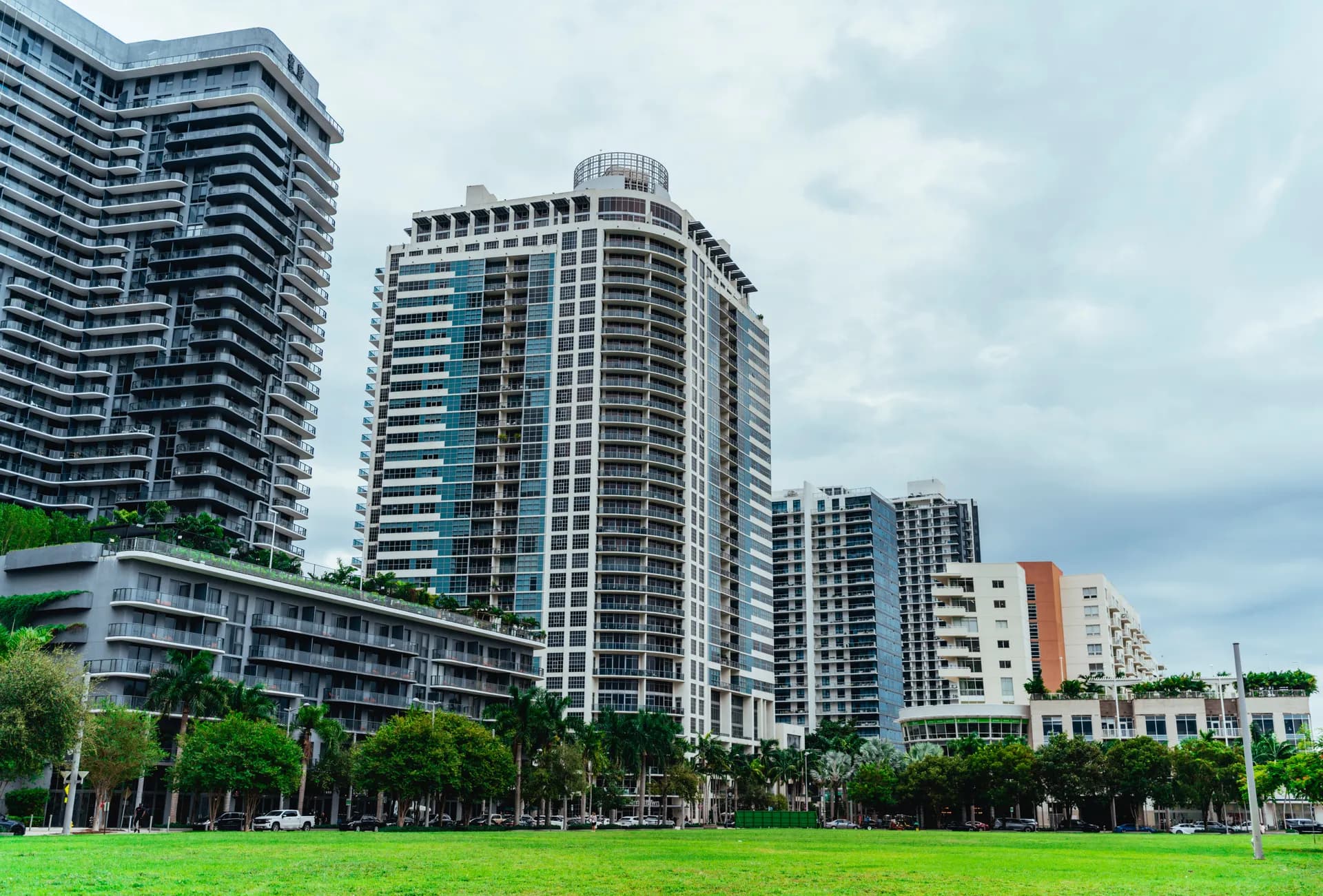
A vibrant urban neighborhood connecting Wynwood to the Design District, featuring modern condos, trendy restaurants, and a walkable lifestyle. Known for its design-forward architecture and proximity to art galleries.
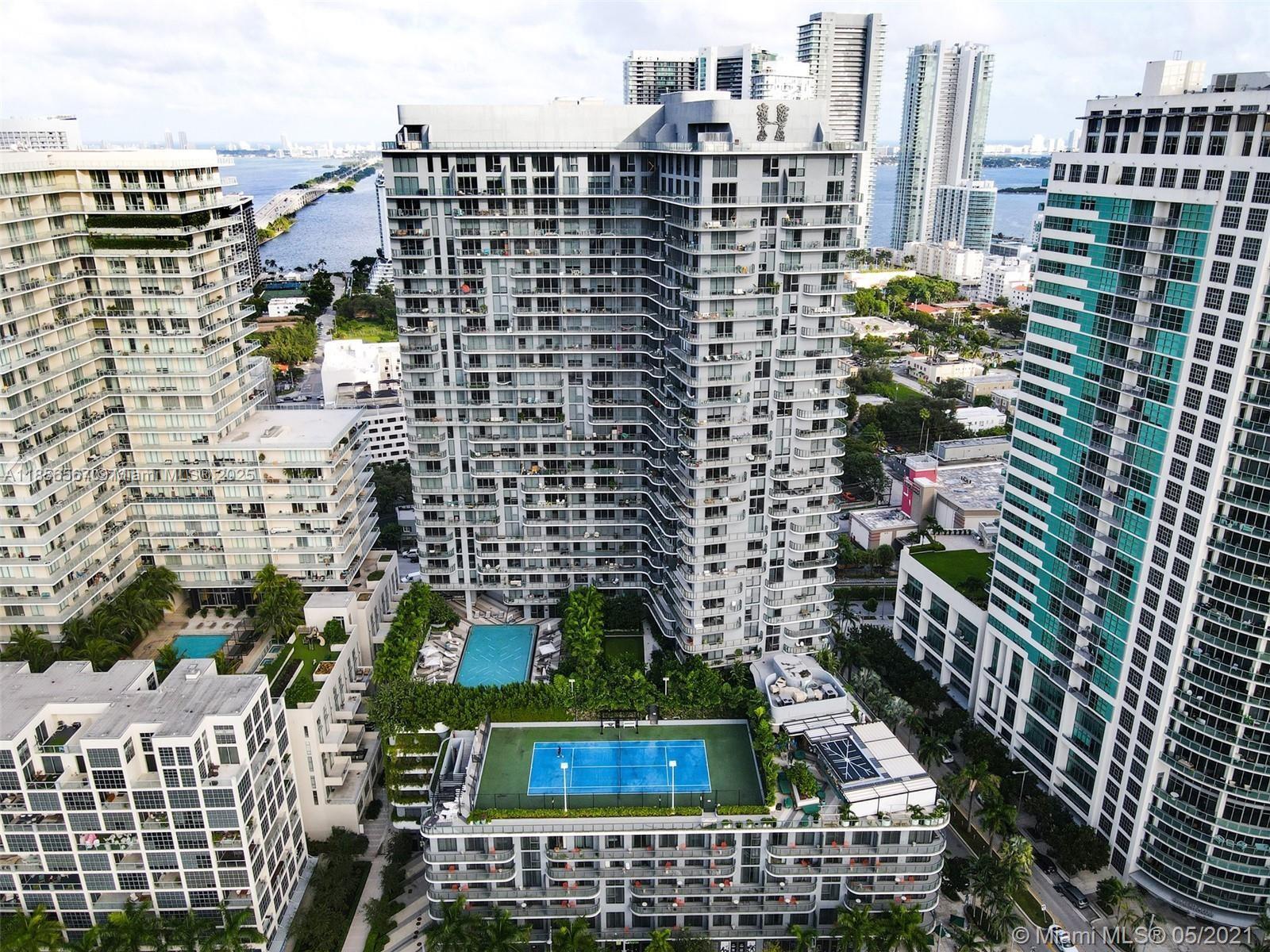
Midtown is a mainland Miami neighborhood where housing, restaurants, fitness studios, and everyday shopping are concentrated around a compact group of urban blocks. It sits between the experiences of Wynwood, the Design District, and Edgewater: art and nightlife nearby, design and luxury retail to the north, and Biscayne Bay farther east. The reason to choose Midtown itself is often simpler: a home close to the errands and routines you repeat throughout the week.
The area combines a recognizable mixed-use center with the surrounding city grid. That makes an address check important. Properties marketed as Midtown may sit beside the central shops, toward Wynwood, or closer to Biscayne Boulevard, and those locations do not offer identical walks, views, or levels of street activity.
Shopping & Daily Convenience
The Shops at Midtown Miami is an outdoor shopping destination on North Miami Avenue. Target, HomeGoods, Nordstrom Rack, and Marshalls are among its anchors, while the wider Midtown directory includes grocery shopping at Trader Joe's, restaurants, coffee shops, fitness studios, and personal services. This concentration of practical businesses is a defining difference from neighborhoods organized primarily around offices, the waterfront, or destination nightlife.
For residents, it can mean combining several errands in one outing rather than making separate drives. Still, test the actual route from the lobby to the places you use. A building near the shops may have a more convenient pedestrian entrance on one side than another, and crossing a major road or a busy garage entrance can change the experience of a short distance.
Condominiums & Mixed-Use Living
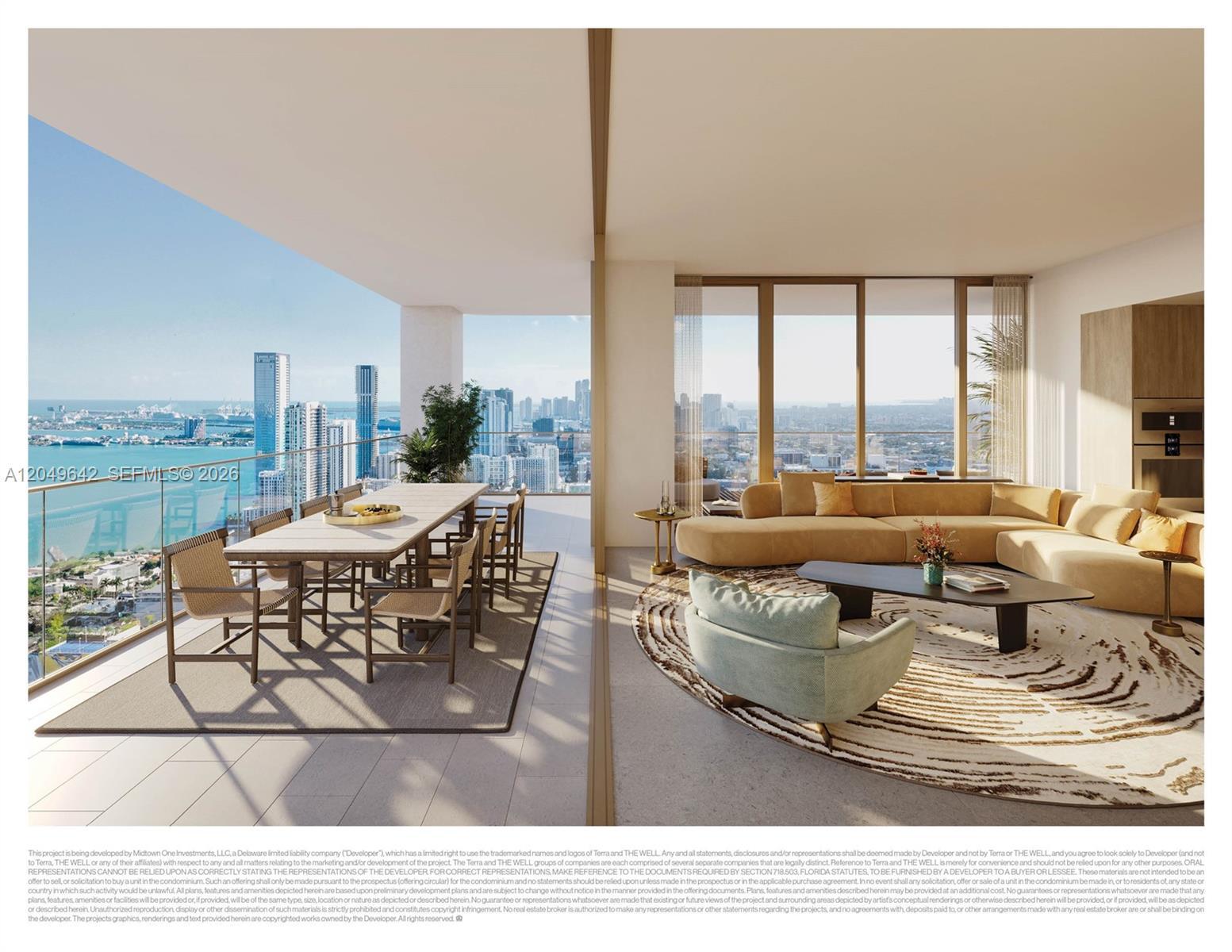
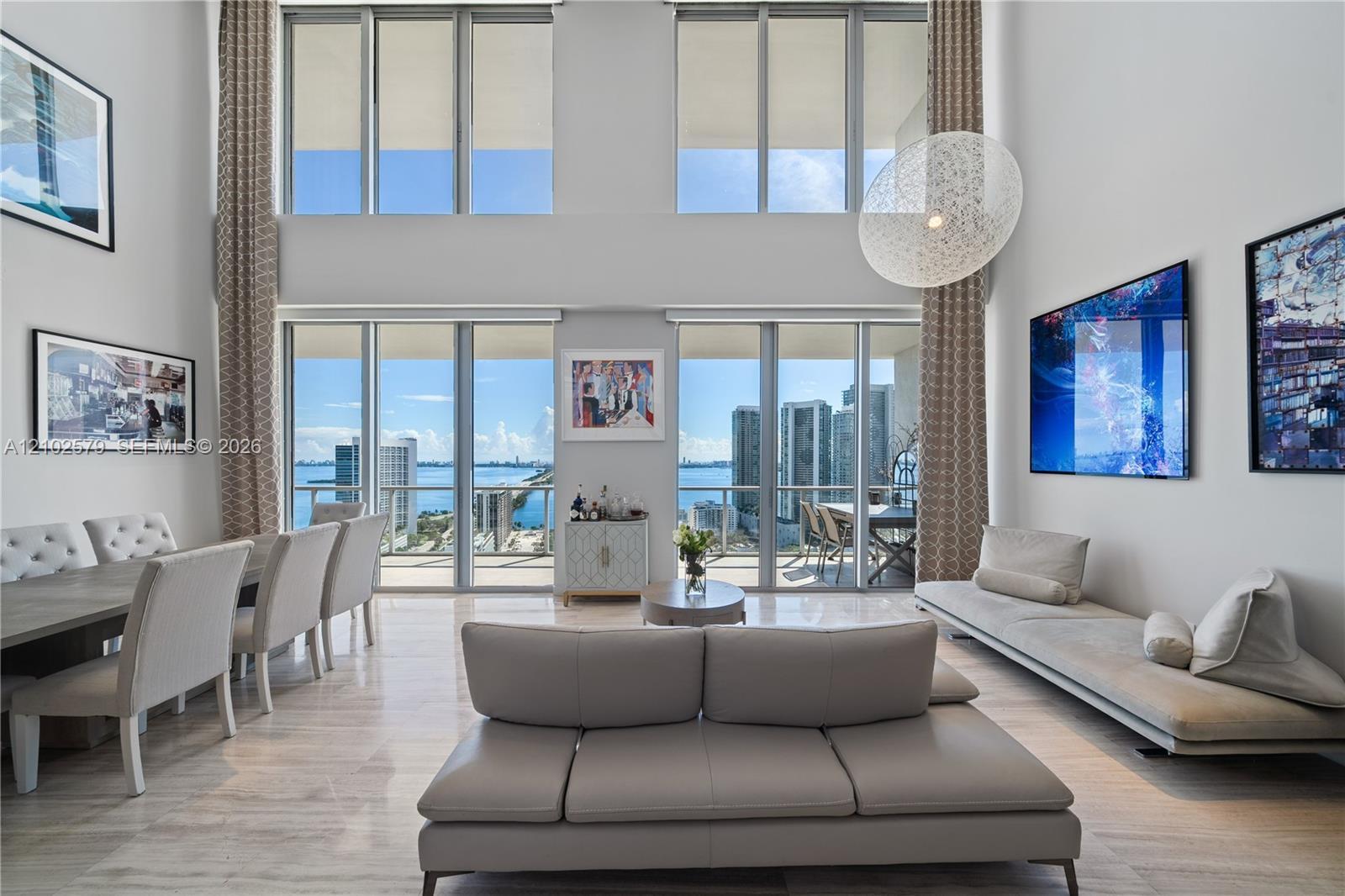
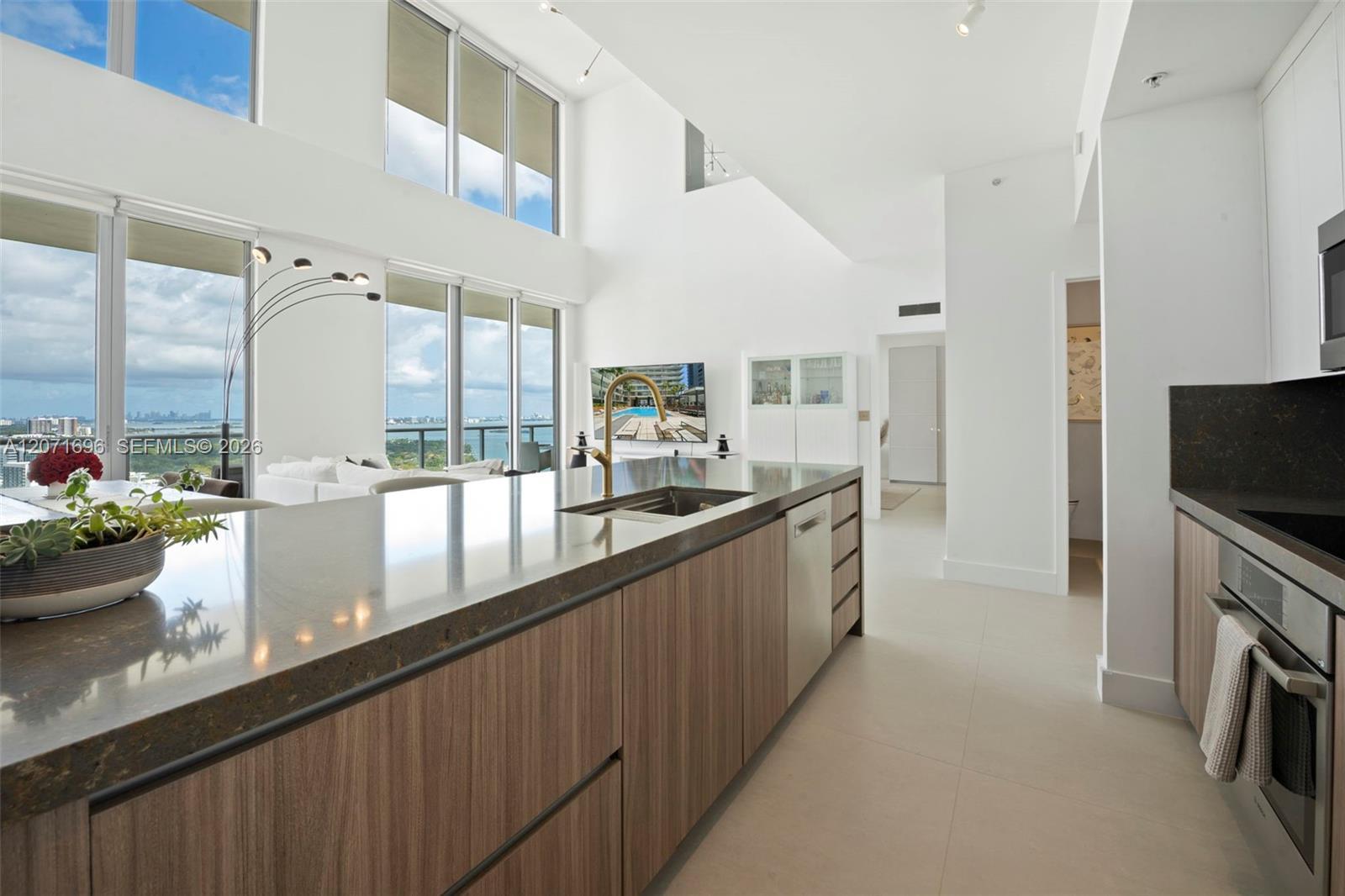
Midtown's housing search is centered on multi-unit buildings within an active retail-and-residential environment. The neighborhood's own directory distinguishes residential buildings and retail blocks, so confirm what a particular property offers and how it is operated instead of assuming every address has the same ownership structure, services, or amenities.
For condo buyers, useful comparisons include the shape of the living space, bedroom separation, balcony exposure, storage, parking, and elevator access. A residence facing an interior courtyard may feel very different from one above a restaurant or overlooking a busy intersection. Visit the unit with the windows open and closed when possible, and think about how you will use it during work calls, evenings at home, and weekends.
Ground-floor businesses add convenience, but they also make building operations worth understanding. Ask about delivery areas, garage circulation, guest arrivals, and the separation of residential and commercial entrances. Review association records and ongoing maintenance as part of the building comparison; proximity to shops does not explain the complete cost or experience of ownership.
Dining, Art & Outdoor Routines
Midtown has its own restaurants and casual dining, while neighboring Wynwood expands the choices for galleries, murals, and nights out. The Design District offers another nearby setting for public art, museums, fashion, and dining. These neighboring destinations give residents variety without making every outing a trip to Downtown or Miami Beach.
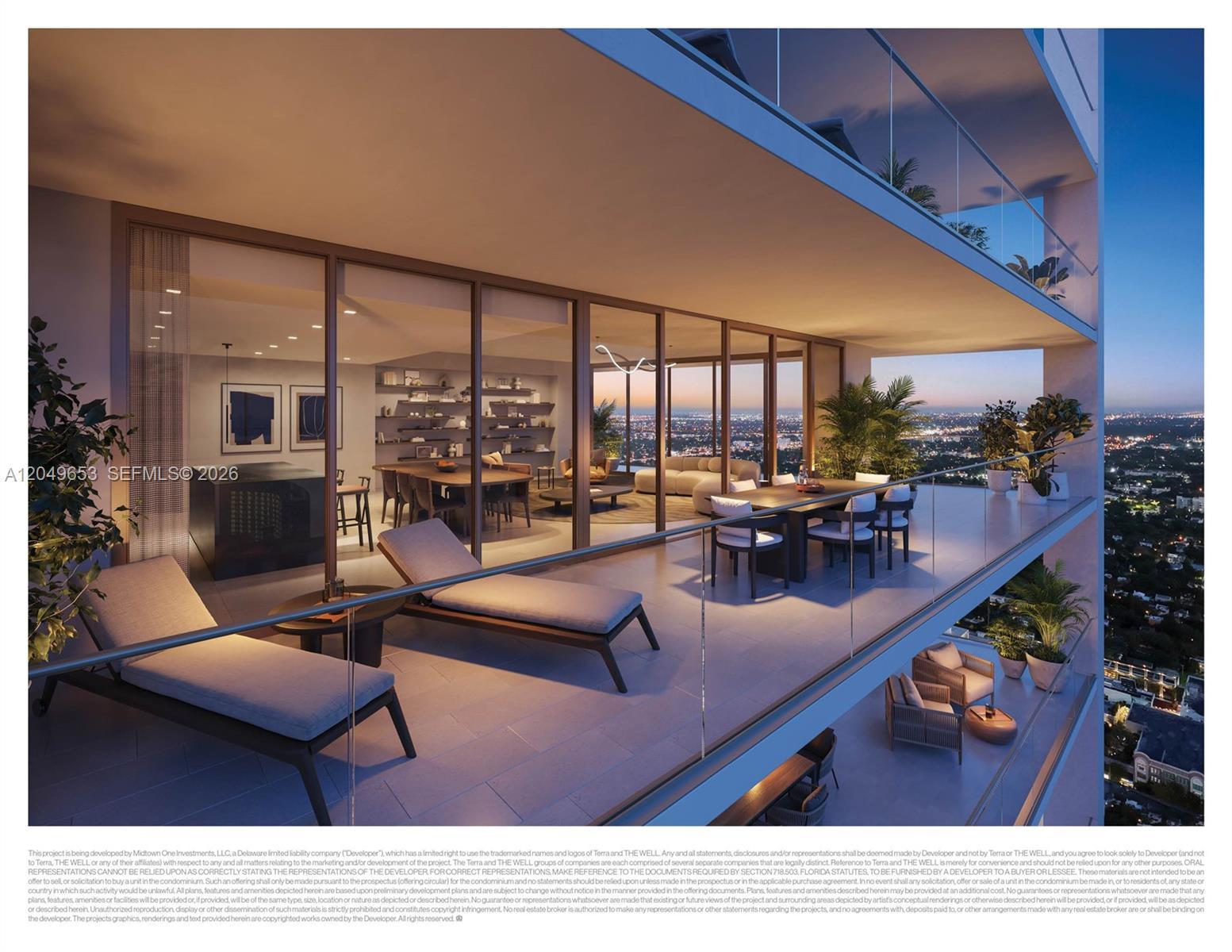
Midtown is an urban shopping-and-residential setting rather than a beachfront neighborhood. For a larger waterfront park experience, Margaret Pace Park to the south and east offers walking areas, sports facilities, a playground, and a dog park. Judge that trip from the specific address, particularly if a daily park visit is essential. Shared pools or landscaped amenity decks can complement outdoor routines, but their availability and rules depend on the building.
Transportation & Practical Comparisons
The nearby street network connects to Biscayne Boulevard and the interstate approaches, but traffic and the destination determine how useful those connections are. Walking can cover many local errands; buses and the Miami trolley provide additional options. Metromover does not run through Midtown's central shopping blocks, so a rail-based commute requires a connection to the system farther south or west. Check the current service map before treating a listing as convenient for a particular commute.
Midtown fits buyers who want restaurants, fitness, and substantial everyday retail close to a condominium or apartment. Compare it with Edgewater if a bay view and waterfront setting are more important, Wynwood if immersion in the arts-and-nightlife environment leads the decision, and Brickell or Downtown if direct rail access is central. The best Midtown match is the building that makes ordinary days easy while offering the degree of privacy and quiet you want at home.
- Walkable streets
- Design-forward living
- Restaurant scene
- Art proximity
Loading property options…
Loading buildings…
Loading listings…
Loading market data…
Demographics
Population4,000
Average Age34
Median Income$96,000
Households8,500
Life in Midtown
Amenities & Nearby
Shops at Midtown Miami
Open-air retail and dining destination
5 min walk4.3/5
Target Midtown
Urban Target store
5 min walk4.2/5
Transportation
Midtown Trolley
Free trolley connecting to downtown
5 min walkEvery 15 min
Citi Bike
Bike share stations throughout
3 min walk
Loading sales history…
Nearby Neighborhoods

Frequently Asked Questions About Midtown
Is Midtown walkable?
Midtown has a Walk Score of 95, rated as "Walker's Paradise". The Transit Score is 60, indicating good public transportation options.
What is Midtown known for?
Midtown is a mainland Miami neighborhood where housing, restaurants, fitness studios, and everyday shopping are concentrated around a compact group of urban blocks. It sits between the experiences of Wynwood, the Design District, and Edgewater: art and nightlife nearby, design and luxury retail to the north, and Biscayne Bay farther east. The reason to choose Midtown itself is often simpler: a home close to the errands and routines you repeat throughout the week.
The area combines a recognizabl...