Miami Pre-Construction Market: How to Compare New Developments
Understand the development pipeline, compare asking prices with developer pricing, and evaluate location, deposits and delivery timelines.

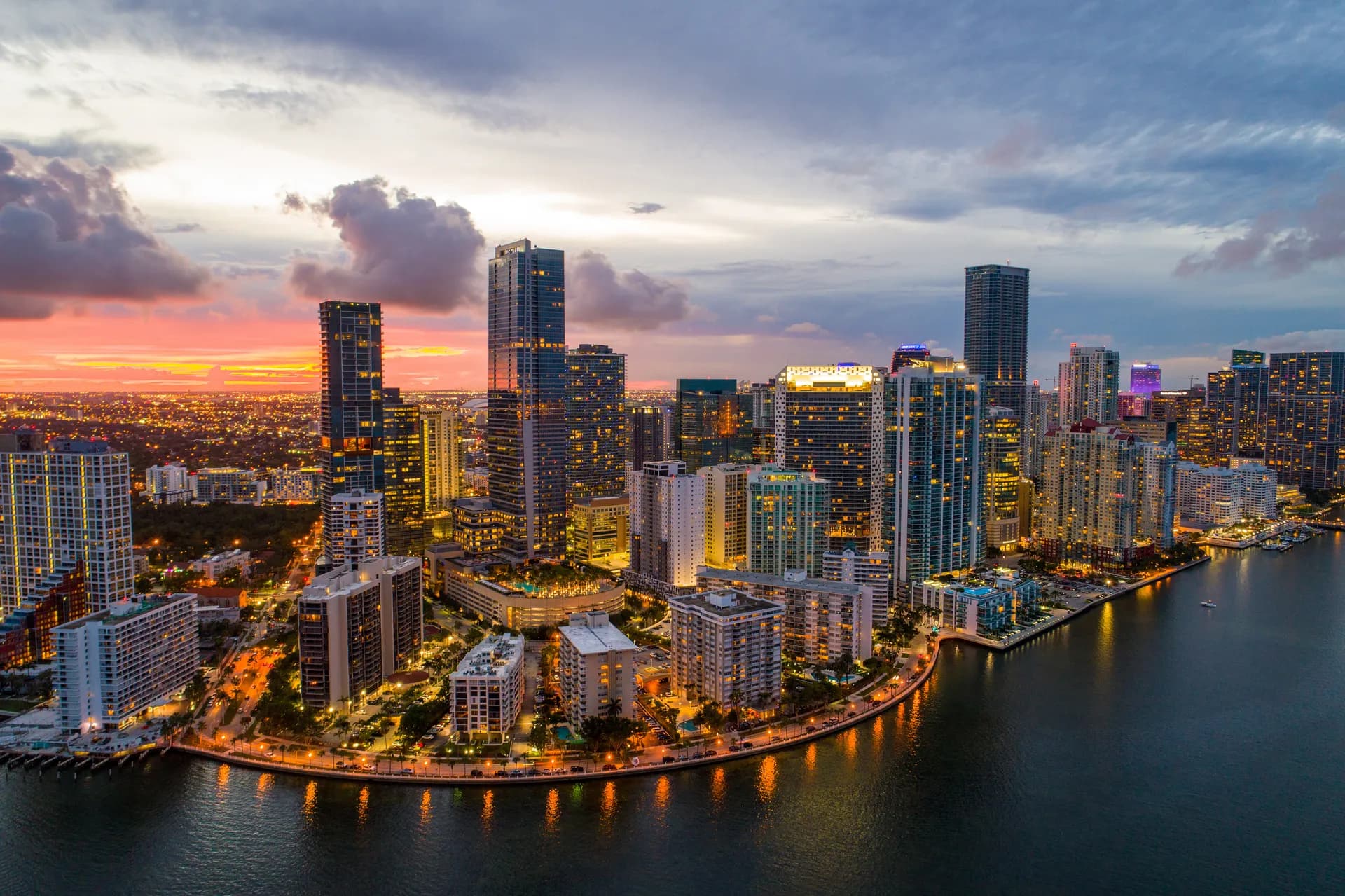
Miami pre-construction condos for sale now
New condo projects run from Brickell and Downtown Miami out to the beaches, with more up the coast in Fort Lauderdale and West Palm Beach. These four have residences listed for sale today. Open a project to see its floor plans, pricing and available units.
 Pre-construction
Wynwood
The Rider Residences
By Rilea Group / Ciprés
152 residences
Expected deliveryDelivery 2027
MLS asking from $543,900
View building →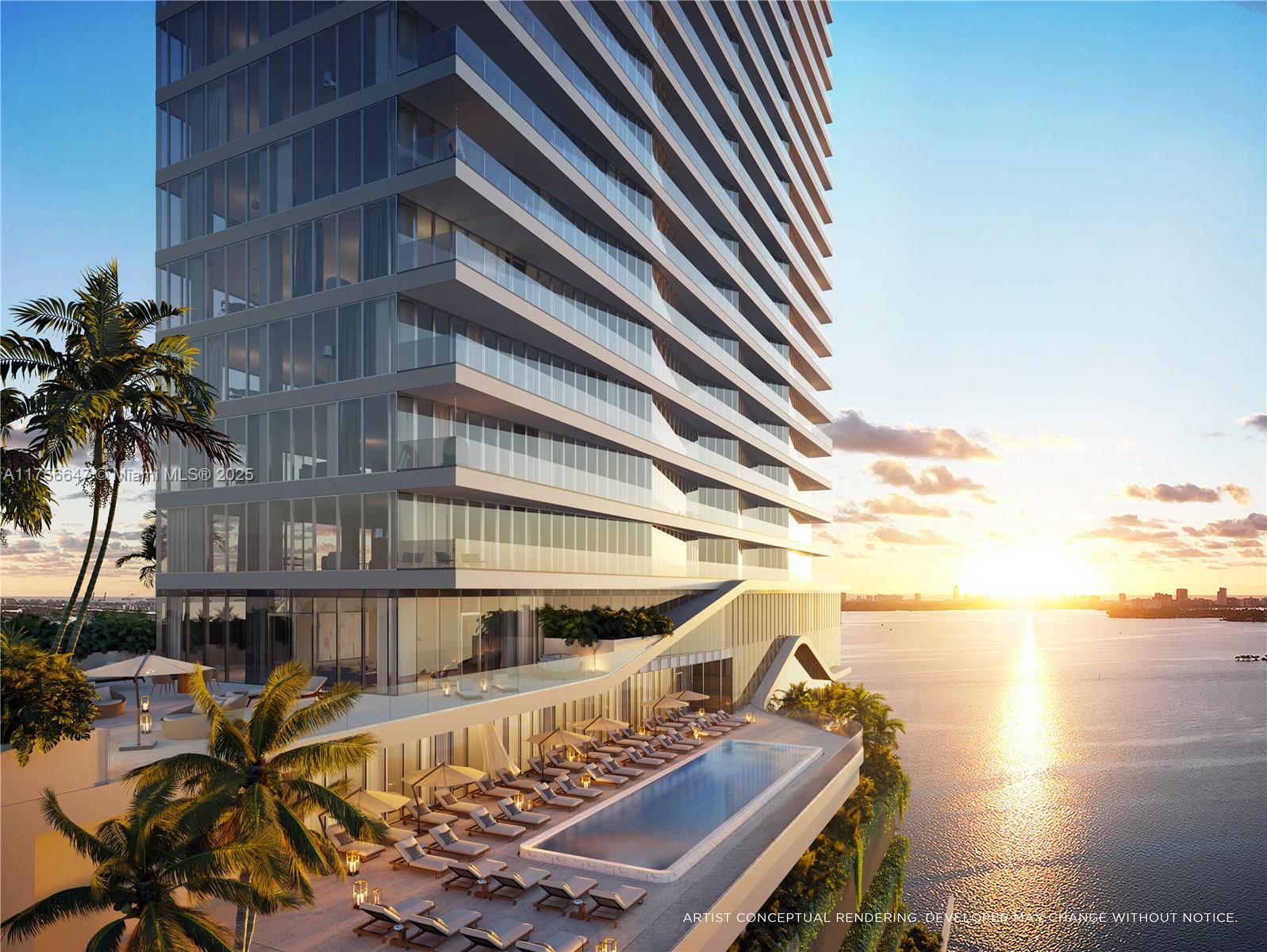 Pre-construction
Edgewater
Cove Miami
By SB Development Group / Hazelton Capital Group
134 residences
Expected deliveryDelivery 2028
MLS asking from $795,000
View building → Pre-construction
Brickell
Cipriani Residences Miami
By Mast Capital
397 residences
Expected deliveryDelivery 2027
MLS asking from $2,145,900
View building →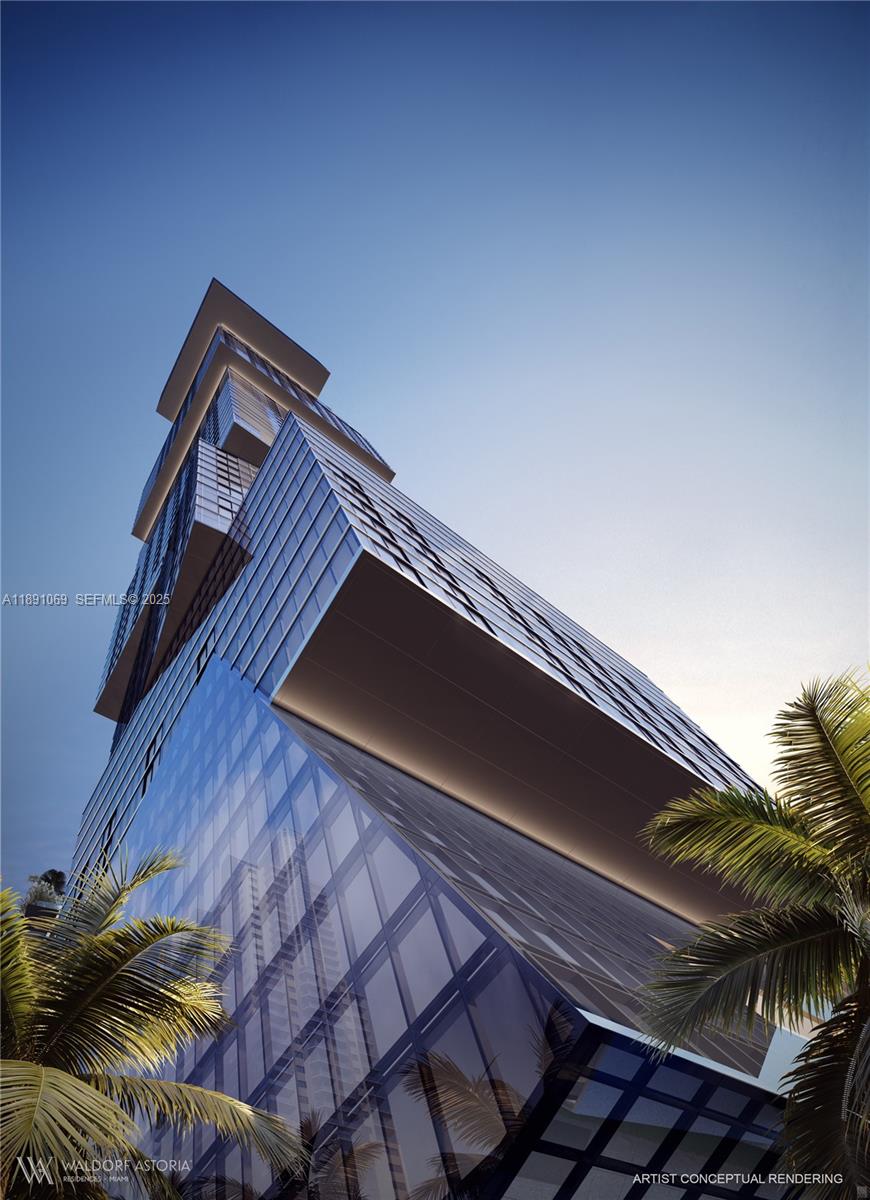 Pre-construction
Downtown Miami
Waldorf Astoria Residences Miami
By Property Markets Group (PMG), Greybrook Realty Partners, S2 Development, Mohari Hospitality
387 residences
Expected deliveryDelivery 2028
MLS asking from $3,300,000
View building →Filter by area, budget, bedrooms and delivery year.
Not sure where to start? Tell our team your budget and timeline and we'll put together a shortlist for you.
Pre-construction condos by neighborhood
We track 171 projects across 35 South Florida areas. Open an area to compare its projects, developers and expected delivery.
| Neighborhood | Projects | For sale now | Lowest asking price |
|---|---|---|---|
| Brickell | 25 | 65 | $419,900 |
| Fort Lauderdale | 14 | 55 | $511,361 |
| Downtown Miami | 12 | 18 | $1,127,000 |
| West Palm Beach | 12 | 43 | $1,716,000 |
| Edgewater | 11 | 14 | $626,000 |
| Bay Harbor Islands | 10 | 17 | $2,150,000 |
| Wynwood | 8 | 27 | $359,000 |
| Coconut Grove | 7 | 10 | $1,520,000 |
| Coral Gables | 6 | 12 | $634,900 |
| North Beach | 6 | 10 | $576,000 |
More areas: Mid-Beach (5), North Bay Village (5), South Beach (5), Pompano Beach (4), Surfside (4), Boca Raton (3), Design District (3), Hallandale Beach (3), Hollywood Beach (3), Miami River (3), North Miami (3), Aventura (2), Downtown Hollywood (2), Fisher Island (2), Midtown (2), Sunny Isles Beach (2), Arts & Entertainment District (1), Bal Harbour (1), Brickell Key (1), Delray Beach (1), Hillsboro Beach (1), North Miami Beach (1), Palm Beach (1), Palm Beach Gardens (1), Riviera Beach & Singer Island (1).
The lowest asking price is the lowest MLS price among a neighborhood's listed residences. It can differ from a developer's published starting price.
What you can actually buy right now
A project's marketing program and its available residences tell different stories. A tower may offer a wide range of layouts while the units currently listed for sale represent only a small part of that range. Open the building page to see its current inventory and review the particular home, floor level and orientation.
MLS asking prices and developer starting prices describe different things. An MLS price describes a listed residence. A developer starting price describes the published entry point for a project. If the only listed home is a penthouse, its price does not describe the cost of every home in the building. Compare like-for-like layouts before choosing one project over another.
Published floor plans are another useful starting point. Interior space, exterior space and total marketed area are different measurements. Review the living area's dimensions, bedroom arrangement, outdoor space and circulation rather than relying on the headline square footage alone.
Where the pipeline is: choosing a neighborhood
Use location to narrow your search before comparing individual towers. Start with the places you expect to visit regularly: your workplace, the waterfront, restaurants, schools or transit. Visit the surrounding blocks at different times of day and walk the routes you would use.
- Brickell: compare projects within Miami's financial district and nearby residential streets.
- Downtown Miami: explore the central city and Miami Worldcenter area.
- Edgewater: compare the neighborhood's bayfront and inland projects.
- Coconut Grove: consider how each residence connects to the village, parks and waterfront.
- Sunny Isles Beach: review the setting and access offered by individual beach-area buildings.
For a broader view, browse our Miami neighborhood guides. The project count in a neighborhood is useful context, but it does not determine which building suits your needs. A specific residence's layout and location should remain central to the comparison.

The deposit schedule matters alongside the price
Preconstruction purchases often involve payments at several milestones before closing. Compare the written schedule for each project: the amounts due, the events or dates that trigger them and the balance at closing. Two homes with the same purchase price can require different amounts of cash at different points in the process.
For example, on a $1 million purchase, committing 40% before closing requires $400,000, while 50% requires $500,000. That $100,000 difference affects your cash planning even though the purchase prices match. These are comparison examples; the schedule for a particular residence comes from its purchase documents.
Before signing, discuss these questions with your real estate attorney and advisor:
- What payments are due at each milestone, and how are those funds held or used?
- What do the documents say about delivery changes, cancellation and refunds?
- Which closing costs and association contributions are additional to the purchase price?
- What financing arrangements will be needed at closing?
Our guide to buying preconstruction in Miami gives you more context for comparing the purchase process.
Delivery dates and recently completed buildings
Expected delivery years help organize a search, but they should be read alongside the construction status and current project documents. A published estimate is not evidence that construction has finished. Confirm completion from the project's current status and documents rather than assuming delivery because an estimated date has passed.
If you want a new residence sooner, compare recently completed buildings with projects under construction. Ask about the specific unit's availability, closing requirements and opportunities to visit it. For a longer timeline, review the development milestones and how they fit your purchase plans.
Confirm the schedule for the residence you choose as part of reviewing its purchase terms.
Compare architecture, amenities and ownership costs
Architecture and renderings help you understand a project's design, but your comparison should extend to the residence and the facilities you expect to use. Consider which spaces would be part of your daily routine and how the building's scale and layout support them.
Compare projected or current association costs using a consistent basis. Review what those costs include, parking arrangements, services and the written rental policy. A branded residence, a flexible-rental project and a conventional residential condominium can offer different ownership experiences.
For related projects, explore our Miami branded residences guide. For individual project details, examples include Seven Broadway, The Residences at 1428 Brickell and Cipriani Residences Miami.
How we keep this guide current
The neighborhood summary reads our published building records and active sale listings. It refreshes automatically as the catalog changes, including new projects after their records sync. The explanatory guide is reviewed separately, and its update date reflects an editorial review.
The summary reports the lowest MLS asking price available among the tracked projects in each neighborhood. That figure can describe a particular residence, including a penthouse, and is not necessarily the neighborhood's developer entry price. Project details and expected delivery estimates come from the published building records. Use the individual building page and a residence consultation to compare the particulars of your preferred home.
Frequently asked questions
How do I compare Miami pre-construction condos?
Start with neighborhood, budget, preferred bedrooms and purchase timeline. Use the pre-construction hub to explore projects, then compare specific residences, floor plans, purchase terms and ownership costs.
Does the market summary update automatically?
Yes. The neighborhood summary refreshes from our published building catalog and active sale inventory. New building records appear after they sync to the site's database.
What is the difference between an MLS asking price and a developer starting price?
An MLS asking price belongs to a listed residence. A developer starting price describes a project's published entry point. Compare the actual home and its layout before treating the figures as equivalent.
Can REHUB Miami help me build a shortlist?
Yes. Contact our team with your budget, preferred area, bedroom needs and timeline. Our team can help you compare suitable projects and residence details.
Keep going
Condo buildings in Brickell
Photos, floor plans, amenities, and current units for sale and rent in each.
- 1010 Brickell
- 1060 Brickell
- 1100 Millecento
- 1550 Brickell
- 2200 Brickell
- 500 Brickell East
- 500 Brickell West
- 619 Brickell (Nobu Residences Miami)
- 888 Brickell by Dolce & Gabbana
- Atelier Residences Miami
- Atlantis on Brickell
- Axis on Brickell North
- Axis on Brickell South
- B Residences by Breitling
- Baccarat Residences Brickell
- Brickell Arch
- Brickell Bay Club
- Brickell East
- Brickell Flatiron
- Brickell Harbour
- Brickell Heights East
- Brickell Heights West
- Brickell House
- Brickell on the River North
- Brickell on the River South
- Brickell Place I
- Brickell Place II
- Brickell Place III
- Brickell Place IV
- Brickell Ten
Tags
Born and raised in Miami, Kyle Benjamin combines a background at Blackstone and Oppenheimer & Co. with hands-on coding and financial analysis. He founded REHUB Miami to make South Florida real estate easier to research through building comparisons, market data, floor plans, and local insights.
Read Kyle’s full bioRelated Articles
Is Pre-Construction in Miami a Good Investment? What the Numbers Show (2026)
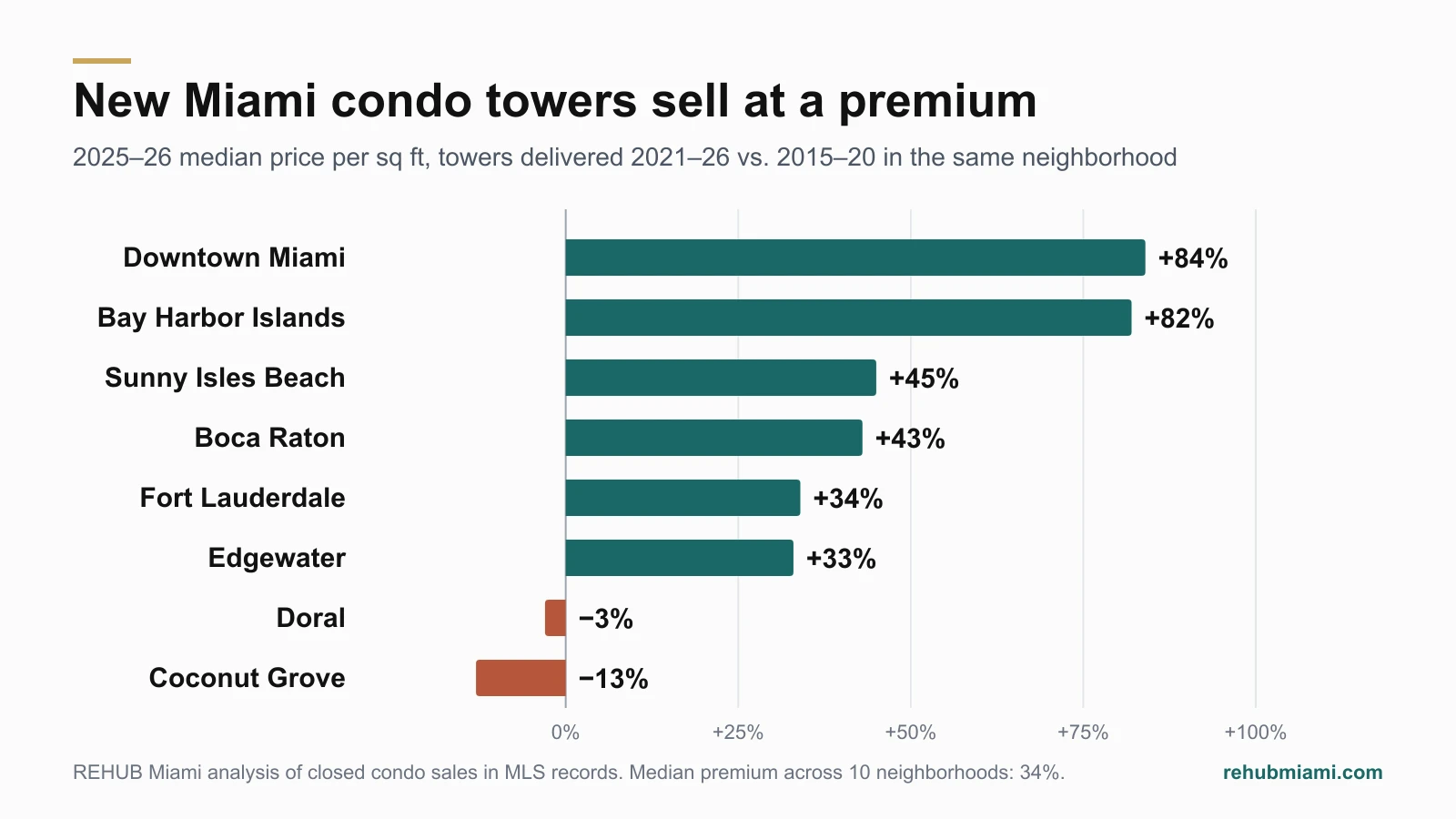
Brand-new Miami condo towers sold for a median 34% more per square foot in 2025–26 than towers built just five to ten years earlier in the same neighborhood. That newness premium is what a pre-construction buyer is positioned to capture, and our analysis of 41,000 sales shows it fades after delivery. Here is when pre-construction pays, what a deposit really earns, and the risks to weigh.

10 Hottest Pre-Construction Condos in Miami (Updated December 2025)
Miami's new-development condo market is in overdrive again. From Brickell supertalls to ultra-boutique oceanfront buildings in Miami Beach, here are the 10 hottest pre-construction condos in Miami right now.
December 2025 - Snapshot of Miami's New Development & Pre-Construction Condo Scene
As winter creeps in up north and high-earning buyers continue to look for both lifestyle and stability, Miami's new development market is staying busy. December brought a mix of brand-new sales launches, progress on under-construction towers, and several headline-worthy site and legal developments.